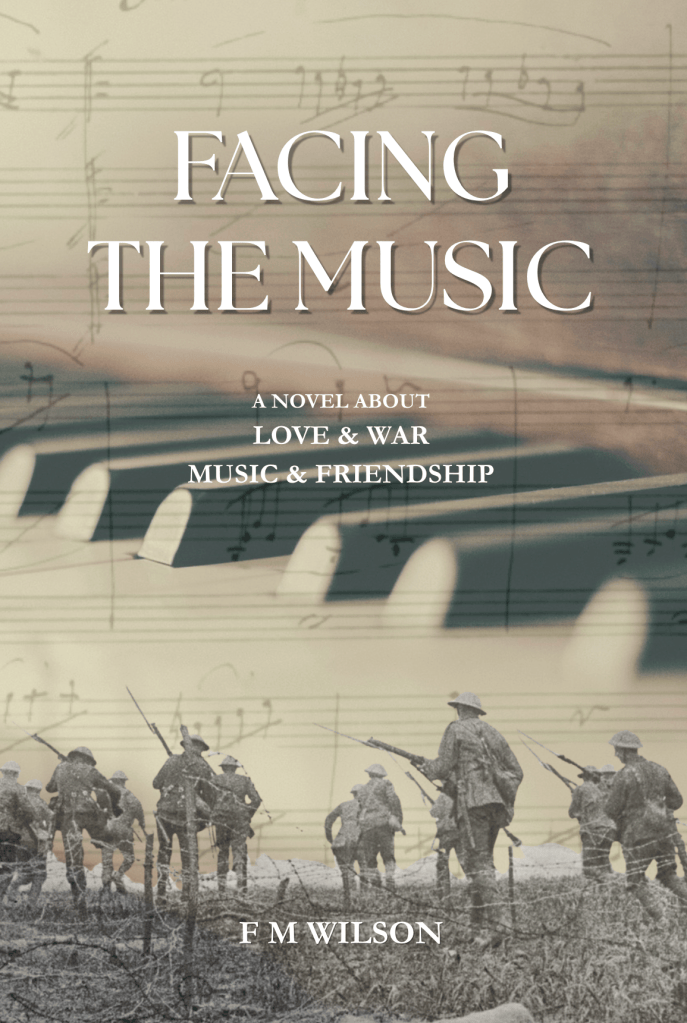
Facing the Music is the debut novel of F M Wilson (AKA The Cross-Eyed Pianist).
At the heart of Facing the Music are questions about what it means to be a musician, how artistic identity is formed, and what happens when circumstances beyond one’s control interrupt the carefully constructed world of practice, performance and artistic ambition.
Set against the upheaval of the First World War, Facing the Music is a story of music and friendship, love and loyalty, ambition and loss. Above all, it explores what happens when the thing that has always defined a person is suddenly threatened or taken away.
The novel begins in London in 1914. Theo Browne is a gifted young pianist; his closest friend, Jonathan Lane-Fox, a brilliant violinist. They have known one another since school, their friendship forged through playing music together and holidays in Dorset, and by the summer of 1914 they are standing on the threshold of the careers they have dreamed of. A triumphant London debut seems to confirm that the future is theirs. For the quiet, introspective Theo, this period also brings another profound attachment when he falls in love with Alison.
Beyond London lies Dorset. Its cliffs, beaches and open skies offer Theo and Jonathan a freedom quite different from the disciplined intensity of the rehearsal room and concert platform. Throughout the novel, this landscape becomes a place of sanctuary and continuity – somewhere to which they return, physically and in memory, as the world around them becomes increasingly uncertain.
Then Europe descends into war.
Commissioned as officers in the British Army, Theo and Jonathan are swept into the brutal reality of the Western Front, where friendship, courage and compassion are tested beyond endurance. Both men are changed in ways neither could have imagined.
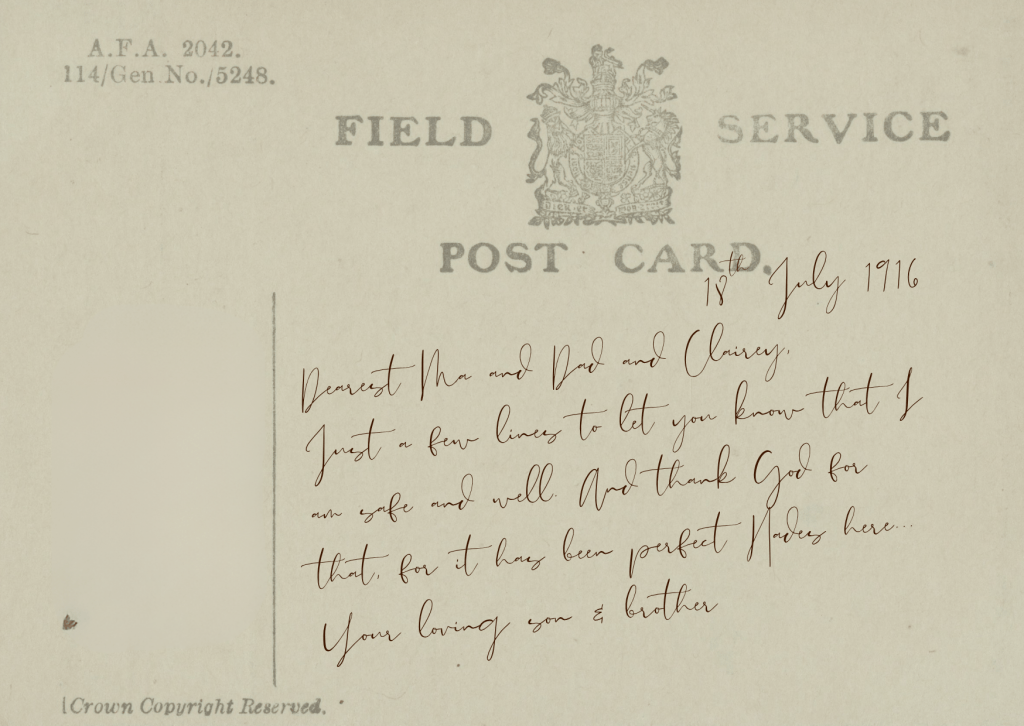
Yet Facing the Music is not a conventional war novel with music as its backdrop. Music is woven into its emotional structure. For Theo and Jonathan it is a language, a profession, a shared history and, crucially, part of their sense of who they are. When war threatens their ability to make music, it threatens something fundamental in each of them.
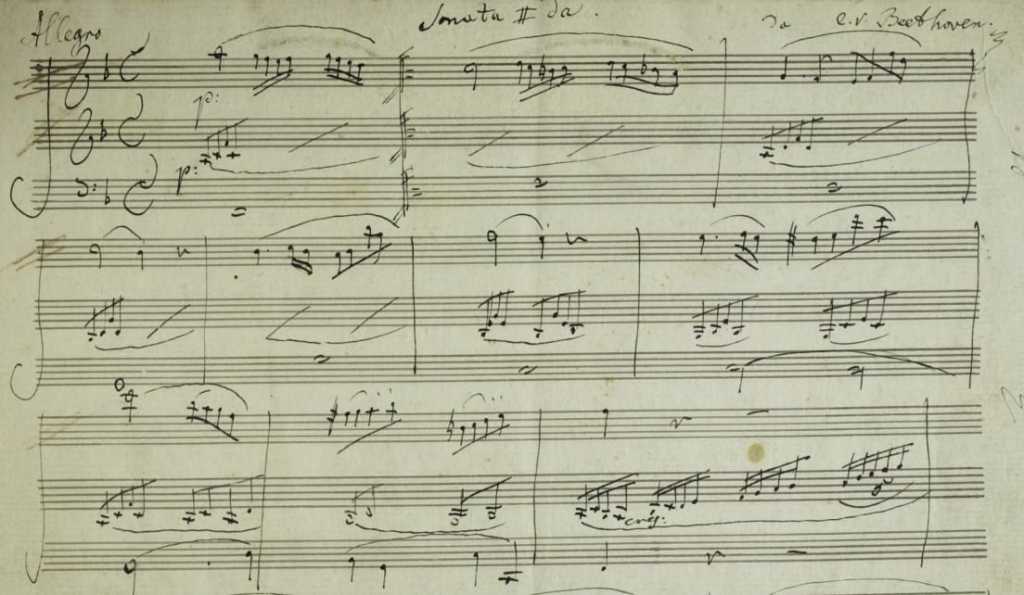
Music itself carries meaning throughout the novel, in particular works by Beethoven, Brahms, Rachmaninoff, Bach and Schubert which accompany Theo and Jonathan through different stages of their lives, acquiring new resonances as those lives change. Music evokes the people they once were, preserves friendship and memory, and offers consolation. But it cannot undo experience.
Nor is music presented as a sentimental cure for trauma. Instead, Facing the Music asks whether beauty can continue to have meaning in the presence of suffering, and whether music can preserve something essentially human in circumstances that threaten to destroy it. It cannot erase suffering, but it can preserve hope, memory and identity.
At the novel’s emotional core is the deep friendship between Theo and Jonathan, stretching from schoolboy music-making through youthful ambition, war and its aftermath. Affectionate, sometimes difficult and often humorous, their relationship is inseparable from their musical partnership: they understand one another through music in ways they cannot always express in words.
The title Facing the Music carries several meanings. There is the literal act of confronting the music itself, in practice and in performance, but also the more familiar expression: accepting and living with the consequences of choices, circumstances and experience. Theo and Jonathan must do both.
Moving from the drawing rooms and concert halls of pre-war London to the battlefields of France and Flanders, and eventually back to the Dorset coast, Facing the Music is ultimately an inward journey. It traces two young men whose understanding of success, courage and identity is profoundly altered by experience.
At its heart lies a question that reaches beyond the historical circumstances of the novel:
If music is part of who you are, what remains when circumstances make music impossible?
Facing the Music is published by Nine Barrow Press and available from Amazon.